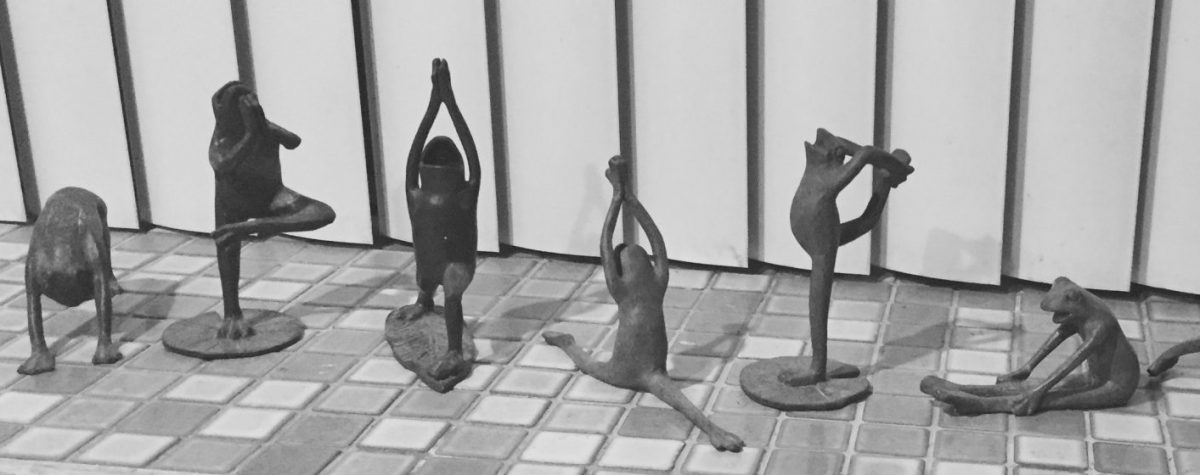
Hero’s Journey

Don’t let tight quadriceps keep you from one of yoga’s most relaxing poses.
By Julie Gudmestad

Supta virāsana (Reclining Hero Pose) is a passive backbend and a wonderful chest opener that’s extremely relaxing and restorative. It’s the perfect antidote to an overstressed life—as long as your knees and lower back aren’t screaming in agony. Why do some students experience such pleasure and others pure pain in this pose?

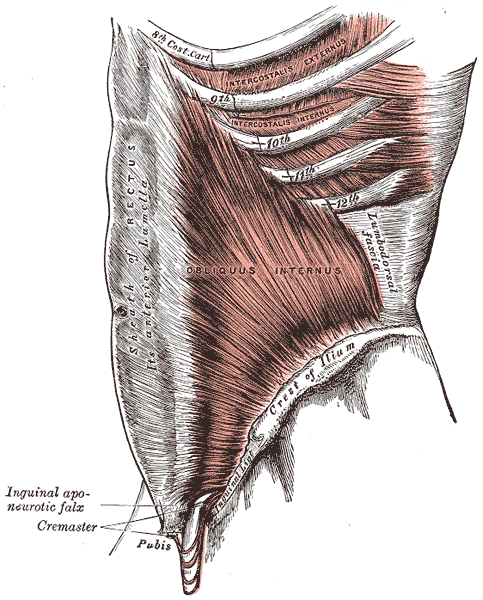
It’s likely that it has to do with the length in the muscles of your front body. Supta virāsana is a classic front-opening pose. As you sit between your heels, it stretches the fronts of your ankles and lower legs. As you lie back, your quadriceps and abdominal muscles lengthen and open. Extending your arms overhead adds a shoulder and chest stretch. All in all, it’s a wonderful position for spacious, relaxed breathing.

But sometimes your lower body doesn’t cooperate. If you have knee and back pain in this pose, the culprit is often tightness in your quadriceps, specifically the rectus femoris (RF). I recommend working on this muscle if you’re having difficulties in Supta virāsana. One caveat, though: If you have persistent pain in your lower back or knees in the pose, consult your health care provider to rule out structural problems or injuries, then find an experienced teacher for guidance. If you’re uncomfortable doing the pose even with skilled supervision, substitute another supported backbend, like Supta baddha koṇāsana (Reclining Bound Angle Pose) or supported Setubandha sarvāṅgāsana (Bridge Pose).

The RF is one of the four muscles that form the quadriceps on the front of the thigh. It sits directly under the skin, running right down the center of the thigh between hip and knee. This muscle originates on the front pelvis above the hip socket, and then crosses the front of the hip to join the other three quads: the vastus lateralis, v. intermedius, and v. medialis. The three vastus muscles originate on the femur, and all four quadriceps converge into a common tendon, which attaches to the kneecap. This tendon then extends down past the knee, becoming the patellar ligament, which inserts on the shinbone. All four muscles contract to extend (straighten) the knee. Because RF crosses the hip, it also acts to flex (bend) the hip when the thigh and torso are pulled toward each other.

Long and Strong
The joint a muscle is connected to must oppose the lengthening action in order to stretch any muscle. In this case, because the quads extend the knee when they contract, you must flex the knee to lengthen and stretch them. And since RF is connected to two joint muscles, you have to position both joints properly to fully lengthen it. That means you’ll have to simultaneously flex (bend) the knee and extend the hip (bring the thighbone in line with or behind the torso). This position describes Supta virāsana perfectly: When you sit between your heels, your knees are deeply flexed, and when you lay your torso back on the floor, your hips are fully extended.

The trouble usually arises when RF doesn’t lengthen enough to allow the knees and hips their full range of motion. Often the muscle is too short and hasn’t been stretched enough. Perhaps it’s been worked hard or you’ve spent long periods sitting in a chair with hips and knees both at 90-degree angles. And if you’re like most yoga practitioners, you probably spend much more time stretching the backs of your thighs than the fronts. In any case, if all four quadriceps are short and tight, they will prevent the knee from flexing fully, and you will have trouble lowering your hips toward your heels— never mind sitting between them.

Trying to force your pelvis down between your heels before the quads are long enough is counterproductive and painful, and can injure your knees. Instead, sit in Virāsana on a block or other firm prop for a few minutes each day, and all four parts of the quads will gradually stretch out. Over time, you’ll be able to reduce the size of your prop until eventually you’ll be able to sit comfortably on the floor between your heels.

To further protect your knees, make sure your feet and toes point straight back behind you and not out to the sides. Also, while you’re kneeling before you sit, dig the fingertips of each hand deep into the back of the knee, pull and hold the flesh of the calf straight back toward the heel, and then move your fingers out as you sit down. Some people find it helpful to gently pull the calf flesh slightly out toward the little-toe side as they pull it back. This rearranging of the calf seems to open a little more space inside the knee and helps avoid undue twisting of the joint.

A tight RF can also cause problems for the lower back by limiting full extension at the hips. If your RF is tight and short, even sitting down on a block near your heels takes up any slack the muscle has to offer. As you move to lie back, the muscle can’t lengthen any more, and your pelvis will be stuck in a forward tilt. That places your lower back in an exaggerated and uncomfortable arch. Worse still, if one RF is shorter than the other, just one side of the pelvis will tilt forward, causing the pelvis to twist in relation to the spine and knees. This can strain the knees, sacroiliac joints, and lower back.

Body Balance
A good solution is to balance your stretching between the fronts and backs of your legs. If you’re the proud owner of tight, short RF muscles, be sure to stretch them just as frequently as you do your hamstrings. You’ll stretch the RF most effectively if you work on one side at a time, because the muscle is tough (containing lots of gristly connective tissue) and potentially strong. When you try to stretch the left and right together in poses like Supta virāsana, or Bhekāsana (Frog Pose), they will—like two mischievous kids—simply overpower the stretch, causing your back to overarch.

To get an effective RF stretch, you’ll need to flex the knee while you extend the hip in a position you can hold for one to two minutes. Ardha bhekāsana (Half Frog Pose) is a good way to stretch the RFs one at a time. Lie face-down with your shoulders in line with your hips and your knees three to four inches apart, bend your right knee and lift your right foot toward your buttocks. Use your hand or a strap to catch your foot, and before you pull on the foot, press your pubic bone into the floor, eliminating any gap between the front of your hip and the floor. Then, maintaining the three- to four- inch spread between your knees, gradually pull your heel toward the outer edge of your buttock (not the tailbone). Repeat on the other side. Remember, don’t force: Pain in your knee or lower back is never a good thing, and muscle pain can cause the muscle to contract and resist the stretch.

You can also work on your RF muscles at a wall. Start on your hands and knees facing away from the wall, with your feet touching it. Place one shin on the wall, perpendicular to the floor, foot pointing up, and the knee within two to three inches of the wall with plenty of padding beneath it. Now bring the other foot forward to stand flat on the floor a couple of feet from the wall, and you’ll be in a modified lunge.

Next, put your hands on two yoga blocks or a chair seat to support yourself as you gradually move your tailbone down and away from the wall and into a deeper lunge. As the RF stretches and gradually lengthens, gently and slowly lift the hips, chest, and torso back toward the wall. If your lower back starts to hurt, ease off.

As you work over the weeks and months to lengthen the fronts of your thighs, come back to Supta virāsana from time to time to see whether you’re ready to practice it comfortably. You may find that it helps to start with a bolster or stack of folded blankets under your back and head. In the meantime, you’ll have an opportunity to bring yoga philosophy to life: By practicing patience and compassion, you’ll learn to breathe and relax into resistance and to persist in the face of a challenge that can’t be instantly resolved.

Julie Gudmestad is an Iyengar Yoga teacher and physical therapist in Portland, Oregon. She cannot respond to requests for personal health advice. Return to http://www.yogajournal.com/practice/2607/

Low Back Pain

Part 2**

Low bak pain can be many kinds and cause, from simple fatigue to more serious causes which need medical attention. Whenever low back pain persists, or one experiences persistent referred pain in other areas of the lower body (it is of course hard to know whether pain is referred — except that one cannot pinpoint the cause of the pain), it is well worth having it checked out by a medical professional.

  1. Nerve Root Compression: This refers to the half-inch of a nerve as it exits the spine. The ‘sleeve’ that protects the nerve is sensitive to pain, and compression on the nerve — and this ‘dural sleeve’ compression is caused by a herniated or protruding intervertebral disc that is pinching it. This can cause ‘referred pain’ to the buttock, thigh, lower leg, or foot.
  2. Spinal Stenosis: A narrowing of the spinal canal through which the spinal cord runs, or a narrowing of the openings through which the nerves branch out from the spine. Usually found in the elderly, and develops slowly over a long period of time. The narrowing of the space puts pressure on the nerves, and the symptoms are a gradually increasing numbness, weakness, and pain in the low back and legs.
  3. Bone Spurs — Osteophytic Root Pain: A type of nerve root pain caused by compression on the nerve from the growth of a bone spur. Often there is no pain, but only decreasing sensation in the leg, or weakness in the leg or foot.
  4. Spondylolistheses: A congenital condition in which two adjoining vertebra are misaligned (listless means ‘to slip’). A vertebra may be one quarter to one half inch out of alignment, whether anteriorly or posteriorly. The stress from this misalignment can make one or more vulnerable to injuries. Thi scondition occurs most frequently in the low back.
  5. Cancer at the Spine: Cancer in various parts of the body can sometimes spread to the spine. The most common symptoms of this is pain, which may be localized in the spine, may be more generalized, or may resemble the kind of referred pain to the buttock, thigh, lower leg, or foot, that is typical of nerve root compression. The pain caused by cancer tends to be constant, worse at night, and not relieved by rest. It gets worse with strenuous activity. Nerve compression from cancer can cause weakness in the legs and feet, difficulty walking, and urinary problems leading to incontinence. Spinal fractures due to rumor growth are also quite possible.

** Any symptoms resulting from the above should be explored by medical professionals for proper diagnosis and treatment.

Apple Cider Vinegar?

Experts Explain the Science-backed Benefits
by Stephanie Watson / Dec 31, 2023 / 5:00 AM*

Apple cider vinegar does have certain healthful properties,
which are largely due to its acetic acid content.
Apple cider vinegar has long been a pantry staple, thanks to its versatility as an ingredient in everything from salad dressings to sauces and stews. More recently, this vinegar made from fermented apple juice has also gained a reputation for its medicinal properties. The tart-tasting liquid has been promoted for accelerating weight loss, lowering blood sugar and cholesterol levels, and boosting energy. Which of the claims are backed up by science? Fortune asked two nutritional experts to dig into the evidence surrounding apple cider vinegar’s potential benefits.

The health benefits of apple cider vinegar
Apple cider vinegar does have certain healthful properties, which are largely due to its acetic acid content. “Acetic acid is a really important metabolite in our bodies, and the only dietary source of acetic acid is vinegar,” Carol Johnston, Ph.D., professor of nutrition and associate dean in the College of Health Solutions at Arizona State University, tells Fortune. But as a cure-all, apple cider vinegar doesn’t hold up to scientific scrutiny. “We don’t have evidence to back up a lot of the claims,” says Johnston. She should know, since she’s been studying vinegar—and not just the apple cider variety—for decades.

Apple cider vinegar and blood sugar
The most “robust” evidence is for apple cider vinegar’s effects on blood sugar, Johnston says. In a 2021 review of nine studies published in BMC Complementary Medicine and Therapies, apple cider vinegar lowered fasting blood sugar and HbA1c (an average of blood sugar levels over three months) in people with type 2 diabetes. It also brought down their total cholesterol.

How might apple cider vinegar lower blood sugar? Three mechanisms are likely involved, says Johnston:
• One is by slowing stomach emptying after a meal, which delays the movement of glucose (sugar) into the bloodstream
• The second is by blocking the breakdown of starch into glucose.
• And the third is by increasing the amount of glucose muscle cells take in.

“The result is you have less glucose in your blood,” Johnston says.

Apple cider vinegar and weight loss
Some studies have suggested that apple cider vinegar can boost weight loss by increasing feelings of fullness after a meal. But any weight loss it might bring about is minimal—a pound or two per month.

“If you are already implementing diet and lifestyle changes, apple cider vinegar may be able to give you a slight advantage by helping you control your hunger while you eat less food. The scientific evidence falls short of indicating that apple cider vinegar is a magic bullet to produce weight loss on its own,” Kristine Dilley, a registered dietitian at The Ohio State University Wexner Medical Center, tells Fortune.

Apple cider vinegar’s potential benefit
Other potential applications are intriguing, but the research is still preliminary. For instance, vinegar might have a future role in treating depression because of its effects on brain metabolism. It’s also a good source of polyphenols, plant-based antioxidants with anti-inflammatory properties.

Johnston sees the potential. “I think there’s going to be a lot more that we’re going to learn from vinegar in the future,” she says. She also notes that vinegar doesn’t need to be of the apple cider variety. Any vinegar with a concentration of at least 5% acetic acid should offer the same benefits—including red wine and balsamic vinegar.

How much apple cider vinegar should you take?
Our experts recommend taking 1 to 2 tablespoons of apple cider vinegar daily—and no more than 4 tablespoons in total. “The easiest and safest way to consume apple cider vinegar is to work it into your daily diet by adding it to foods you already consume,” Dilley suggests. Apple cider vinegar makes a good addition to salad dressings, marinades for chicken or fish, pickled vegetables, soups, and stews.

If you want to take it on its own, Dilley recommends diluting it with 8 to 12 ounces of water. Apple cider vinegar is highly acidic. Drinking it straight as a “shot” could irritate the lining of your mouth or damage your tooth enamel. Dilley doesn’t recommend using apple cider vinegar capsules or gummies, which aren’t regulated by the FDA. These supplements may not contain the amount of vinegar listed on the label.

Check with your doctor before you take apple cider vinegar, because it can interact with certain medications—especially drugs that lower blood sugar or potassium, Dilley says. Cooking with it shouldn’t pose a problem with your medications.

Who shouldn’t use apple cider vinegar?
Avoid apple cider vinegar if you have gastroesophageal reflux disease (GERD) because it can irritate sores in the lining of your esophagus, advises Johnston.

Vinegar also isn’t recommended for people with slow stomach emptying called gastroparesis. Because vinegar also slows stomach emptying, it could make the condition worse.

The bottom line on apple cider vinegar
For now, the best-researched health benefit of apple cider vinegar is for lowering blood sugar. Still, Johnston considers vinegar a worthwhile addition to the medicine chest. After all, it’s been part of medicine since Hippocrates used it for treating wounds. “Anything that has been in the medicinal world for 2,000 years has to have some legitimacy,” she says.

* Posting in Apple News, from Fortune Magazine
**There is evidence that 2 Tblsp of diluted acetic acid lowers inflammation. But it must be well diluted, or it could cause other problems.

A Scientific Approach to Our Yoga Practice

by Nina Mel, Elephant Journal, March 28, 2013

Exploring the connection between our intention & our yoga practice. For a long time scientists believed that 98% of our DNA ‘text’ is not used in the coding of proteins and enzymes. Since it is not responsible for constructing our basic physical form, its purpose remained unknown for 15 years, and scientists called it ‘Junk DNA.’ But recent breakthrough revealed that this ‘junk’ is in fact crucial to the way our genome works.

This great result was achieved by researchers from the International project ENCODE (Encyclopedia of DNA Elements). 442 scientists, situated in 32 institutes around the world, including Britain, USA, Spain, Singapore, and Japan, began to work on this project in 2003. They used 300 years of computer time and five years in the lab to get their results.

Their main purpose was to deeply study the human genome, and they now declare that DNA is more active and multifunctional than was previously believed. As one of the participants of ENCODE, Bernie Evan from Cambridge says: “…the term ‘junk DNA’ can now be sent to the trash.”

But even in late 1990s, a team of Russian linguists led by Dr. Peter Gariaev discovered that the genetic code in ‘junk’ DNA follows uniform grammar and usage rules virtually identical to those of human language. It turns out that the ‘junk’ was laden with the intimations of intelligence, purpose, and meaning.

One of the basic assumptions made by Dr. Gariaev’s team is that “the genome has a capacity for quasi-consciousness so that DNA ‘words’ produce and help in recognition of semantically meaningful phrases.” Because the structures of DNA base pairs and that of language are so similar, we can alter our own genetics by simply using words and sentences, as has been experimentally proven.

This finally explains why affirmations, hypnosis, conscious commands, and intention have such strong effects on humans, their bodies, and minds. Another scientist, cell biologist Dr. Glenn Rein, discovered experimentally that people with coherent electrocardiograms could wind or unwind DNA samples at will, while those with incoherent heart energy could not. In these experiments, simply feeling positive, love-based emotions was not enough to affect the DNA samples: “the intent to alter them had to be present.”

“Love-based emotions stimulate DNA to decompress so that messenger RNA can access codes for healing. Joy, gratitude and love accompanied with intention unwind or decompress DNA exposed to them.” Negative emotional states—anger, fear and similar emotions have the power to contract DNA molecules, compressing the DNA helix, “severely limiting access to genetic information necessary for healing, as well as evolution.”

The effects of focused intention have nonetheless been studied using both physical (Jahn and Dunne, 1986) and biological systems (Braud, 1989). A parallel investigation of conscious intention on biological systems falls under the auspices of healing research where investigators have demonstrated that various types of healers who use intention can produce biological effect (Benor, 1990).

The experiments conducted by Rein in 1992 were intended to study and compare the biological effects of different images, thoughts and intentions. The healer, Leonard Laskow, M.D., attained different states of consciousness working with intention. These various experiments showed that under the same experimental conditions some intentions were more biologically active than others.

These results indicate that focused human intention can influence the DNA synthesis. It was also demonstrated that intention was a critical component of the states of consciousness which produced biological effects.

There are different ways we can consciously use the benefits of working with intention in our everyday lives. One of them is yogāsana practice. Encoding the DNA with intention has been used by yogis of ancient times in order to achieve higher states of consciousness, but this skill had been lost for centuries. When yoga was brought to the West, many versions lacked intention, therefore it changed a spiritual practice capable of truly transforming the mind and consciousness into a fitness-like physical practice without ‘spiritual core.’

As western medicine has divided the human body into separate parts, and as science has divided knowledge into physics, mathematics, philosophy, psychology, astronomy, and so forth, the yogic knowledge has also been divided into āsanas, prāṇāyāma, dhyāna, ayurveda, vastu… So Yoga became fragmented and could not reflect its very own nature, which is to connect. The link that connects this seemingly multi-faceted practice is intention, which will allow penetration into each of the fragmented parts and ‘connect’ them to the one.

N-Code Yoga, shows how to use intention in yogāsana practice and how to align it with āsana, śvasāyāma, and related movement in order to change DNA patterns, consciously releasing energy blockages, speed-up spiritual, physical, and psychological development, thereby distinguishing it from the conventional [modern] ways of practicing yoga.

Using intention, especially when it is manifested in words and visualization during yoga practice, chakra get easily activated, energy meridians get cleansed, healing and detoxication processes are enhanced. Thus, intention deeply affects yoga practice and the practitioner on all levels: physical, mental and spiritual. A yoga practitioner can use intention to move her/his body, and mind, from one āsana to another, can breathe intention in and out, encoding it into every cell, so that this intention can be transmitted into the Universe, which begins to manifest itself in everyday life.

Practice for the sake of practice has no value, this can even be unsafe and dangerous because the new energy generated in the body during the practice without conscious direction can not be used in constructive ways. Since the undirected energy leaks out with daily emotional ups and downs, it is wasted and the practitioner’s energy level returns to its previous level or even less.

When energy is not directed consciously, it goes to its usual ‘neuro-pattern,’ strengthening the weak ‘points’ and negative patterns of the mind that have already been formed during past times. That is why the energy that is built during unconscious practice, a practice without intention becomes destructive.

Therefore intention encodes and dedicates one’s practice to a higher purpose, thus becoming a higher spiritual practice—a prayer, a gratitude, a vector of attention—all at the same time. Intention becomes a linking part of all aspects of yogayama, niyama, āsana, prāṇāyāma, pratyāhāra, dhāraṇā, and dhyāna. Intention reprograms the old ways of functioning, decompressing DNA, and awakening its dormant 98%, bringing the possibility of revealing and manifesting the full human potential ever closer [which makes the impossible, possible; the possible, attainable; and the attainable, graceful].

IYENGAR YOGA RESOURCES TO SUPPORT YOUR HOME PRACTICE

by Richard Jonas

Home Practice: Starting Now
Home Practice is the core of yogāsana. Class is great – but there is more, much more to it. Practicing on your own is too important to miss out. When beginning a practice at home, one really learns, really experiences the transformative effects of each āsana – on body, mind, and spirit.

How can one get a Home Practice? Get up tomorrow – practice – then do it every day after that (take Sundays off). If that sounds daunting, here are some hints that might help one get started and stay with it.

Start slow:
Students tend to set the bar too high when starting a Home Practice. If it doesn’t resemble an hour of perfectly sequenced poses, they are disappointed and give up. Instead, do a few poses that are familiar and feel confident with. When finished, lie down for a five to eight minute Śavāsana. Fifteen minutes later, you have a Home Practice!

Be disciplined:
Make Home Practice a priority. Do it every day. Keep with it for two weeks, then note how better you feel, physically and mentally. It gets easier. Soon your 15-minute Home Practice will grow to a 30-minute one. Give this practice a dedicated time and space, and it will make room for itself in one’s life.

Time and Place:
Choose a time of day, and a place where there is a low probability of being disturbed. Ideally, keep that same time each day. First thing in the morning works well; waiting until later might interfere with your schedule. The body may be stiff in the morning, but the mind is quiet and receptive – something very important. If afternoons, or evenings, work better, then practice then.

Do what you know:
Start with a few simple, familiar āsana like Adho mukha śvānāsana (Downward-facing dog) and Adho mukha vīrāsana (Daownward-facing hero). Follow with a few standing poses: Utthita trikoṇāsana (Extended triangle), Utthita parśvakoṇāsana (Extended side angle), and Vīrabhadrāsana II (the second Warrior). Finish with a seated forward extension, say Paśchimottānāsana (Deliberate stretch of the west), or lie down with your legs up the wall (Ūrdhva Prasārita Pādāsana). Then rest fort several minutes – even when short on time, always practice Śavāsana (Corpse).

Cultivate the Voice:
Maybe at first you’ll hear your class teacher’s voice reminding you to engage ‘here’, and ‘not there’). Eventually, you’ll cultivate your own teacher inside. If you’re not sure about something, ask your teacher later. Remember, that if it doesn’t feel right, then you probably ought not to be doing it. Also, remember to refrain from doing āsana you are not confident doing; save those for class when someone else can supervise.

Work by the Book:
B.K.S. Iyengar’s Yoga The Path to Holistic Health is abundant with information. One whole section details how to, and which props to use in the different āsana. As well as listing the Benefits and Cautions. Another section is devoted to sequences for particular ailments. Dr. Geet Iyengar’s Preliminary Course has detail, step-by-step instructions and drawings to assist in executing the poses. Metha’s How to Use Yoga, and Yoga the Iyengar Way, both have large photos to further guide you.

When you’ve been self-practicing for a while, try to remember the poses taught. Then write them down, in order, right after class. If you don’t remember the names, describe them or draw a little stick figure sketch. The more you do this the easier it becomes. Next day, recreate the sequence – or part of it – at home on your own. Try to recall the points the teacher made. When you do poses a second, third time, etc. – when you become your own teacher – the learning deepens; the experience becomes more profound, and more truly your very own.

Props:
Buy a mat and three blankets (you’ll need them for Sālamba sarvāṅgāsana I (the first Supported shoulder stand), which is vital to one’s practice. Also, a belt and a block or two are very useful. A timer will help you understand your tolerance in the different poses. Meaning, check the time after each to keep track of your progress (do not force anything, at any time).

Sequencing the Postures:
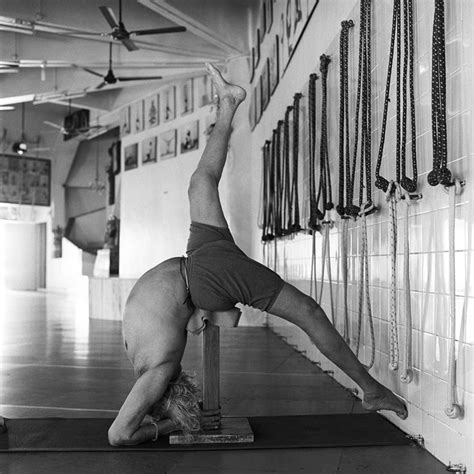
As a rule, Downward-facing dog and/or Downward-facing hero are good ‘warm-up’ poses. Follow-up with a standing postures, onto an inversions, a back extension, a twists, and a forward extension. Often, Sālamba sarvāṅgāsana I (the first Supported shoulder stand) is done near the end of your practice. However, as a rule, if you practice Sālamba śīrṣāsana I (the first Supported headbalnce), do so close the the beginning of your practice (say after Downdog). Headstand must be followed with Shouderstand later in the sequence, or another pose (say Setubandha sarvāṅgāsana) which creates the Jalandhara bandha, or conjunction between the chin and the top of the sternum.

Do the Pose Everyway:
Try the pose many different ways. For example, one day do Utthita trikoṇāsana with your front foot up the wall. Another day, with your back heel at the wall. Or with your back to the wall. The goal isn’t to find the way that works best for you, so you can repeat it that way every time. The goal is to experience the pose from every angle, to learn all about it. Become as familiar with these poses, as you are with your room (where you can walk around in the dark without bumping into furniture). In time, the poses become templates used to explore the mind, the senses, the emotions, …our place in the world, and our relationship to the Higher Power.

Richard Jonas is a faculty member of the Iyengar Yoga Association of Greater New York.

What Fascia Is, Simply Put

By WedMD Editorial Contributors; July 7, 2023

Fascia is a layer of connective tissue below the skin.

Surgeons used to think that fascia is a tissue that just covered organs, muscles, and bones. Now the medical world knows that the body’s fascia also makes up some tendons, ligaments, and other structures. Some researchers believe that it connects all parts of the body.

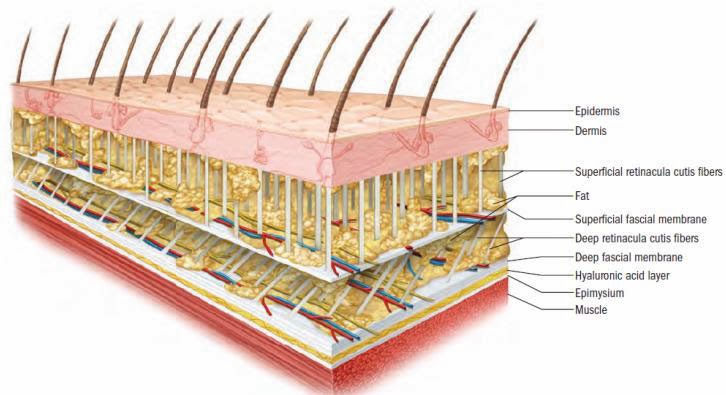
Body Fascia. Body fascia is multi-layered, and it plays an active role in the body. It supports tissues and organs, lessens friction, eases muscle tension, and tightens up reflexively. It also helps your bloodstream, bone tissue, and skeletal muscles.

When it’s healthy, your fascia is slippery and smooth, and it stretches with you as you move. If it’s not doing well, it can get thicker, stickier, drier, and tighter. Because fascia is so important to your body’s functions, problems with it can cause you a lot of pain.

Layers of Fascia. Your fascia can be broken down into four main layers: superficial, deep, visceral, and parietal. These layers have nerves that make your fascia almost as sensitive as your skin.

Superficial fascia. This layer is right under your skin. It’s thicker in the main part of your body (your stomach, chest, etc.), and it gets thinner in places further away from your center — i.e., your hands and feet. Superficial fascia can include muscle fibers that make up many different structures in your body.

Deep fascia. Your deep fascia covers bones, muscles, nerves, and blood vessels. It can be broken into two subtypes:

Visceral fascia. The visceral layer goes around certain organs that settle into your body’s open spaces, including the lungs, heart, and stomach.

Parietal fascia. Tissues that line a body cavity are called parietal fascia. For example, your pelvis is lined by parietal fascia.

Fascial Pain. Between layers of body fascia, a substance called hyaluronan helps the layers work smoothly with each other. When the hyaluronan dries up, your body fascia can seize up around muscles, make it harder to move, or get uncomfortable knots. Dried-out fascia — called fascial adhesions — can happen because of:

  • A lifestyle without enough physical activity
  • Activity that uses the same part of your body over and over
  • Surgery or injury that causes damage to one part of your body

Pain in your fascia is commonly mistaken for muscle pain or joint pain. The biggest difference is that muscle and joint pain worsens as you keep moving, while fascial pain gets better with movement and heat.

Fascia adhesions can be temporarily fixed, but they can also get worse as time goes on. If you leave your fascial pain untreated, your fascia will draw tighter around your muscles and can create very sensitive knots in your muscles, called trigger points.

Myofascial pain syndrome and plantar fasciitis are common conditions that can affect your fascia.

Myofascial pain syndrome. Myofascial pain happens when the same muscle is tightened and released over and over again from repeated motion or tension from stress. Symptoms can include deep muscle pain that doesn’t go away, sensitive knots in your muscle, and inability to sleep because of the pain. It’s different from muscle tension pain because it gets worse over time.

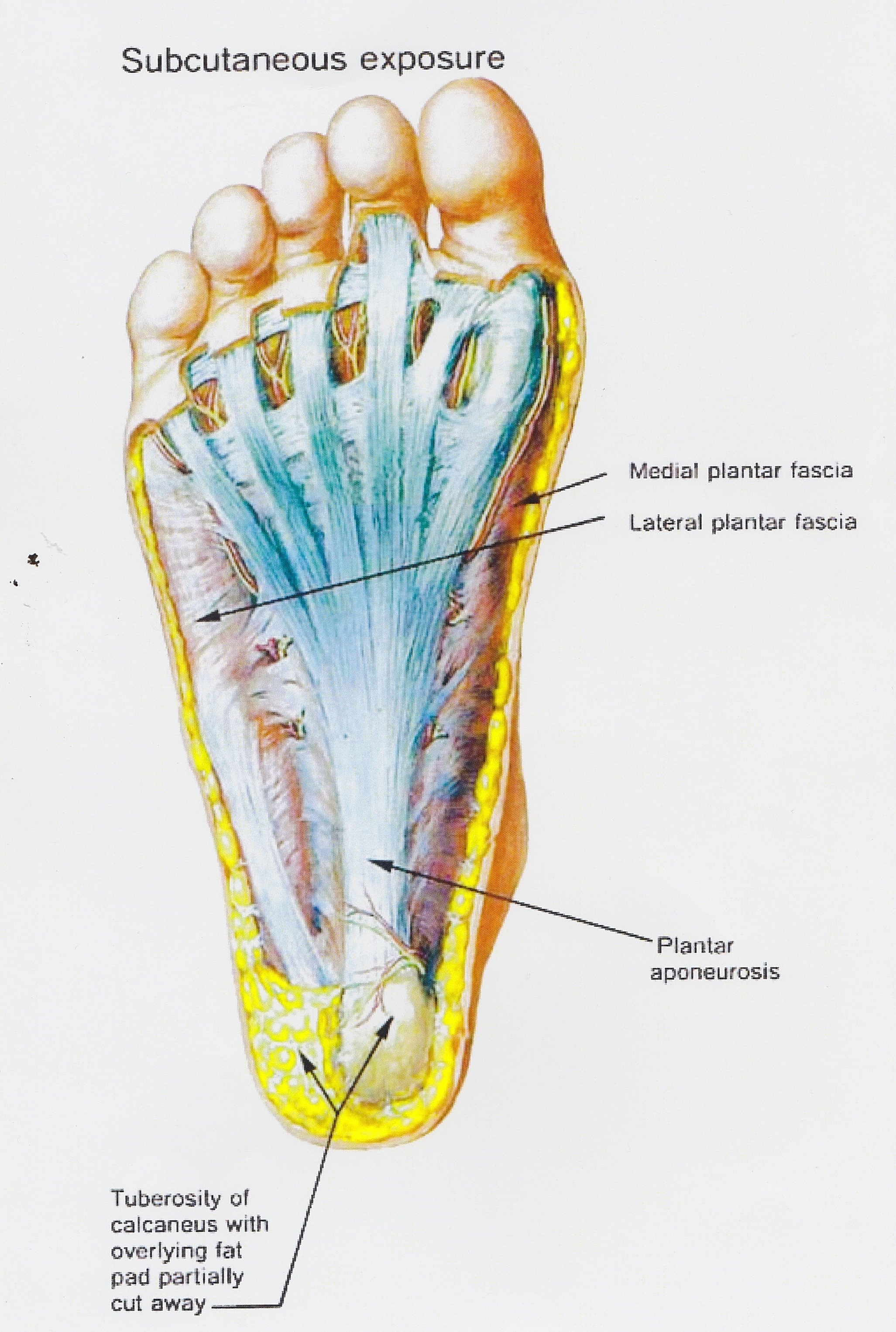
Plantar fasciitis. There is a thick section of fascia on the bottom of your foot called the plantar fascia. When it gets inflamed, it causes intense heel pain. You’re most likely to feel plantar fasciitis when you walk in the morning after a night of being off your feet or when you stand up after sitting for a long time.

The medical world doesn’t know what causes plantar fasciitis, but people who are older, are heavier, spend a lot of time on their feet, or do repetitive exercises like running have higher chances of getting it.

Keeping Your Fascia Healthy. Do your best to keep your fascia well stretched. The more flexible it is, the less likely it is to cause you pain. Move around, stretch frequently, and try to keep good posture if you do a lot of sitting or standing. This helps relieve fascial adhesions.

If you have fascia pain that isn’t going away with stretching, try to loosen trigger points by trying the following:

  • Heat therapy. Take a hot shower or bath or place a heat source on the uncomfortable area.
  • Yoga. Consult a yoga therapist for yoga poses that focus on relieving pain in your affected fascia.
  • Using a roller. Give yourself a very gentle massage by using a foam, or harder roller to help your body get rid of tension.
  • Massage therapy. Get a series of massages that can release pressure from trigger points.
  • Acupuncture. Get acupuncture from an acupuncturist, who’ll place needles in your affected fascia can help connective tissue relax.
  • Dry Needling. Similarly as above, certain chiropractors can place needles to help tense, adhered, muscles release.

Life, Liberty, and the Pursuit

of better yoga with props

by Anthony Carroccio
(July/August 1998, Healing Retreats & Spas)

The fiery Indian genius of the yoga posture is considered the father of ‘props.’
I have been practicing yoga for thirty years, and like every good student of yoga, I want to continue to learn and improve. Having really good yoga instruction is definitely a plus—and so is taking advantage of yoga-gear called ‘props.’ Props can be anything from found objects to state-of-the-art yoga equipment. Thirty years ago (1958), B.K.S. Iyengar, the internationally renowned yoga master, referred to his then-little-know props as ‘helpers,’ ‘supporters,’ and ‘weight bearers.’ Later he would call them “guides for self learning.” Now, many years later, props are well known and used in every continent.

Iyengar, author of Light on Yoga, Light on Prāāyāma, and The Tree of Life, developed and introduced a method of teaching that is precise and vigorous. In a seventieth birthday tribute (1988), Iyengar’s students offered a fond and descriptive thank you to their teacher: “For you to have the merry mischief of a schoolboy, the enthusiasm and virility of youth, and the mature judgment of old age… [you are] the salt of the earth… If salt is present, can pepper be far behind? You always keep your pupils on their toes, lest you raise your expressive eyebrows and unleash your peppery temper against them and their lack of total attention and inefficient participation.

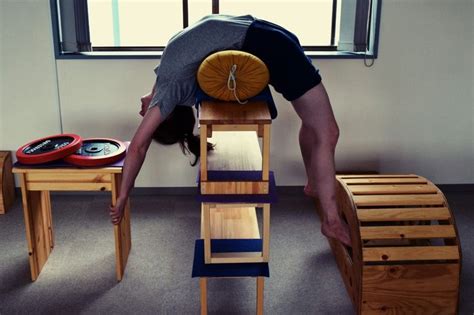
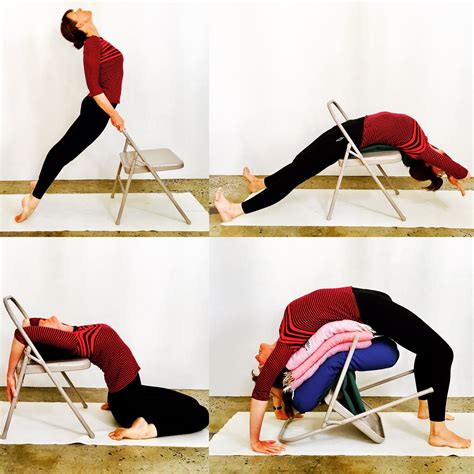
This fiery Indian genius of the yoga posture is considered the father of props. Most every use or manifestation of yoga gear has descended through the sphere of his influence. He does mention his guru using rings and rope, but Iyengar alone is responsible for introducing the use of chairs, bricks, slanting planks, bolsters, boxes, belts, walls, and more.

Using the Limbs of My Body
When he began teaching in India in 1938, Iyengar noticed that his pupils had difficulty doing the postures, “I realized that raw students or patients [referred by medical professionals] could not derive maximum advantage. In the beginning, I used to attend each individual using the limbs of my body to support, to teach the pupils to get the effect of an āsana.” Iyengar relates how in the beginning , “I used to pick up sticks and bricks lying in the roads and use them to make progress in my mastery of āsana [yoga postures]. Though crude, they were helping me get a grip on the āsana.” He understood early in his career the significance of his ‘helpers.’

Necessity is the ‘father’ of invention. In a 1988 interview, Iyengar recalled an experience with his very first pupil [who required propping]: “In 1938, the ex-principal of Fergusson College, Professor Rajawade, was 85 years old. He was suffering from dysentery, and was not even able to walk. At the insistence of Dr. V.B. Gokhale, I began teaching him.

He became my guru for inventing methods for teaching invalids. My first innovation came on account of this principal, Rajawade. Just as one lies down to do Śavāsana [corpse pose], I made him do Supta trikoṇāsana [triangle pose in a supine position]. First, I separated his legs. Second, I moved the trunk to one side, and then, stretched his hands sideways, as one does in standing trikoṇāsana… This original thinking to find new ways continues even now, to help both healthy and unhealthy people.

Here, were it not for using the floor as a prop, the benefits of yoga would have been beyond the grasp of one in dire need. Yet, for all his insight and diligence in using props to teach students more effectively, he received the unflattering nickname of “The Furniture Yogi” from the fussy (though perhaps less precise) yoga establishment. Iyengar’s intense personality combined with such criticism probably helped speed the presence of props into the world of yoga. No doubt the challenge likely made him more persistent.

On this point, Iyengar recounts, “Some of the schools do not recommend this kind of assistance. The teachers stand away from pupils and guide theoretically. But I use [props] to assist the [students] physically, subjectively, directly.” In only a few decades (a remarkably short period of time, given the 4,000-year history of yoga*), Iyengar’s innovative approach has profoundly influenced the way haṭha yoga is taught, practiced, and understood.

Today it is virtually impossible to see yoga postures being taught without the presence of at least one yoga prop—the ‘sticky mat.’ Iyengar’s profound insight into the fundamentals of yoga postures dictated the need for a firm, nonslip surface on which to develop stable, anatomically correct form. The sticky mat is now considered an essential prop**.

Taking It to the Next Level
For years I practiced without props because that is all I knew. Although yoga was an important part of my life, my progress was slow, and I was often frustrated by the lack of improvement. Even after twenty years, my yoga shtick remained pretty much the same. This all changed when I took a six-week class in 1988. It was a great class because there were only ten students—more intimate than most. Occasionally, we would meet outside class to practice together. A fellow student invited me to her house. One bedroom was her yoga room. I was amazed: I never imagined that such yoga stuff existed. She had bolsters, benches, a pelvic swing, sandbags, the works. She showed me ways to modify the postures to focus on strength, extension, and alignment***. I realized that it was possible to improve aspects of a posture without creating other bad habits at the same time.

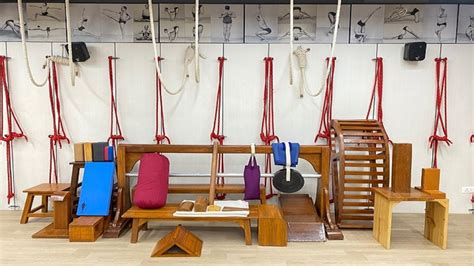
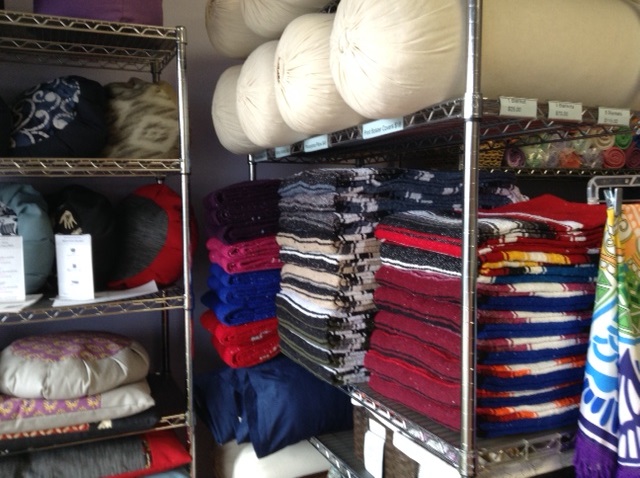
New yoga students today may start out with a sticky mat, a six-foot belt, and a pair of foam or wooden blocks. When they get more serious, they find a wealth of Iyengar inspired gear available to further their yoga practice, everything from folded blankets, shoulderstand lifts, and back-bending benches, to new and exciting props that take Iyengar’s ‘helpers’ to the next level in their evolution.

A Rich and Tangible Process
Recently, I asked Frederic Ferri, a yoga teacher and the developer of the YogaPro system of props, for his western perspective. “Iyengar’s contribution to teaching and learning yoga postures accomplished several important things all at once,” says Ferri. “It gave students a direct way to connect with each posture as a rich and tangible process not just a routine or fixed goal.” Ferri also believes that Iyengar clearly demonstrated the effectiveness of starting at the beginning and working with the anatomical principles that comprise all yoga postures. This helped to take emphasis off of trying to mimic other people’s model postures.

Iyengar himself recounts his early days teaching yoga in India. “I compared a lot of āsana in books. The śīrṣāsana [headstand] of one person was different from that of another. Each āsana was illustrated differently. I thought that the practitioners must be presenting them according to their whims and fancies. Doubts and confusion led me to experiment with all their presentations to find out, by trial and error, which were the wrong, which were the right ways.

Iyengar’s props gave every yoga teacher and student an immediate means of realizing and working with the precision of their own bodies. Starting with an objective and logical approach to the postures makes learning yogāsana more accessible, meaningful, and manageable. Says Ferri, “Iyengar brought yoga from a distant and mystical India and placed its vast potential squarely on our doorstep.

Learning to Swim While Looking Toward the Shore
Learning yogāsana in the absence of props could be compared to learning to swim while looking toward the shore, watching someone demonstrate their best stroke, versus having a teacher or a float in the water with you, supporting you and helping you precisely when and where you need it. Ferri explains, “All yoga postures are made up of the same basic components. Bodies have the same parts and the same agency and manner of movement. We interact precisely with the laws of gravity, physics, and biomechanics. Learning position, balance, and movement is so much easier if these natural laws are available to assist us rather than control us.” And props, in the water or on dry land, helps us do just that.

A current prejudice about props from the purists’ point of view is that you need nothing external to do yogāsana and pāyāma. Perhaps they suspect the external props would somehow interfere with the inward journey. However, a change in consciousness is not dependent on the absence of external stimuli. I find my awareness is enhanced by using props. External assistance can increase the quality of internal awareness and magnify consciousness.

Use of Props and Cheating
For others, a question still lingers—is using props cheating? In fact, the opposite is more often the case. One of the prominent features of props is that they disallow cheating. The body will cheat all by itself, without our having any awareness of it. It prefers its old ways. But props focus attention on form, which in turn helps us discover and use parts of our bodies that haven’t been participating.

The physical precision with which yogāsana are practiced produces many of the nonphysical benefits that arise: calm, focus, tolerance, discipline, wisdom, and spiritual strength. Props provide the form and feedback that help bring about these results. Yogāsana and pāyāma, like most things, are both challenging and more rewarding when done correctly.

While all roads ultimately lead to Rome, the paths do vary. Some are smooth, some are rocky—some take the longer way, others are more direct. If learning haṭha yoga is where you’re heading, props are an excellent way to go.

* Iyengar and the Invention of Yoga

** The History of Yoga Mats

*** Iyengar Method

The Vagus Nerve: Everything you need to know

It’s the body’s information superhighway that tells your organs how to rest.
By Haley Bennett

What is the vagus nerve?
Your brain is connected to your body through a set of 12 crucial nerve networks that descend through your spine and branch out into your body. Of these, the vagus nerve is probably one of the most important. Its tendrils influence digestion, your heart, your reflexes and your breathing.

So you can see why scientists are so interested in what the vagus nerve does—especially when you consider how all of the above affects your mood. You could call it a superhighway between our brains and bodies.

Vagus nerve function
In contrast to the rapid ‘fight, flight, or freeze’ responses that are under the control of the sympathetic arm of the nervous system, the vagus nerve is responsible for many of the slower,’rest, digest, and repair’ responses that we collectively call the parasympathetic arm. The nerve itself is actually two thick bundles of individual neurons [nerve cells] that originate in the brain and pass out to the rest of the body through left-sided and right-sided openings at the bottom of the skull.

Most of the individual neurons that make up the vagus nerve are sensory ones—about 100,000 on each side of the body in humans—which pass messages from the organs to the brain, and are activated by sensory input from the environment. The remainder are motor neurons, which send messages in the opposite direction, from the brain to organs, and directly control all of our muscle movements.

Why is the vagus nerve so important?
The vagus nerve is a sort of polymath of the parasympathetic nervous system, getting involved in everything from breathing, heart rate, swallowing, sneezing, digestion, appetite, immune responses and even orgasm.

The vagus nerve’s wide-ranging skill set comes from having a diverse array of neuron cell types at its disposal. These allow the nerves to pick up different types of sensory signals from different organs. Some, for instance, sense chemical signals like oxygen levels in the blood or the secretions of bacteria in the intestine, while others sense mechanical signals like stretching of the blood vessels and gut.

Therefore, the neurons in the vagus nerve mostly give the brain information about what is going on in the rest of the body. The brain interprets this information and acts upon it to help maintain the internal status quo. But there are also important functions associated with the less numerous neurons that send signals the opposite way, including in communications between the brain and gut, and in select muscles in the mouth and throat that are responsible for speech and the gag reflex.

The long and winding nerve
The word, ‘vagus’ means ‘wandering’ in Latin, and the vagus nerve truly is. The nerve bundles reach as far as the base of the spine and colon, branching off to the vital organs, including the heart, lungs, liver and gut, along the way.

As the longest cranial nerve in the body, it’s the main component of the parasympathetic nervous system, which controls automatic bodily functions such as digestion, when the body is at rest. Historically, the vagus nerve was known as the pneumogastric nerve, because it supplies both the lungs and stomach with nerves.

The functions of the vagus nerve are so numerous and varied that it’s very likely there are roles that we have yet to uncover. We do know, however, how we can tap into it. Doctors sometimes prescribe ‘valsalva manoeuvres‘ to activate the vagus nerve and slow a fast-beating heart or calm heart palpitations. These might involve activities like coughing, straining like you’re on the toilet or, perhaps most bizarrely, doing a handstand.

The vagus nerve and the heart
One key metric that is often used is heart rate variability—the variation in the gaps between consecutive heartbeats. A healthy heartbeat is slightly more chaotic in its rhythm, so low variation is said to be associated with a jacked-up sympathetic system, where the body is in constant fight or flight mode, with the vagus nerve and parasympathetic response struggling to keep up.

Despite its widespread use, however, there are still some questions about how useful heart rate variability can be as an indicator of balance between the parasympathetic and sympathetic systems. Although heart rate monitors can give us this information, we shouldn’t obsess about the numbers.

What happens if the vagus nerve is damaged?
In the past, stomach ulcers were often treated by cutting the fibres of the vagus nerve below the rib cage. The thinking was that the vagus nerve plays a central role in producing the stomach acid that causes the sores. With modern drugs, the need for this type of surgery has decreased, but it demonstrates what can happen when a nerve with so many branches is compromised.

Indeed, ‘vagatomies’ cut off the vagal nerve supply to the stomach, pancreas, small intestine and part of the colon, meaning that without further surgery to the gut, the patient may be unable to pass solid waste. People with gastroparesis suffer from a similar problem, but in this case, the symptoms are usually due to vagus nerve damage caused by diabetes, drugs, or infection.

However, when the vagus nerve is damaged higher up, the effects can be completely different. The chickenpox virus, for example, attacks the nervous system and though rare, it has been known for the virus to cause vagus nerve lesions that result in a patient losing their ability to swallow—they may also get a headache and an inflamed ear. Early data collected by Spanish researchers also suggests that some of the symptoms of long COVID may be related to vagus nerve damage, including breathing, voice and bowel issues.

Do I need to get myself a vagus nerve stimulator?
The evidence we have so far suggests devices for vagus nerve stimulation are safe. However, researchers are still concerned about the increase in at-home use of nerve stimulators, which may come with risks that we’re not yet aware of.

Those who prefer mindfulness to being hooked up to machines are turning to activities such as yoga, meditation, hypnotherapy and deep breathing, all of which are thought to boost the functioning of the parasympathetic nervous system and vagus nerve. There is also evidence to suggest that cold water swimming or bathing, or even just splashing your face with cold water, can stimulate the vagus nerve and activate the parasympathetic system.

Of course, buying a cheap device to attach to your ear, or signing up to take part in yoga retreat, may seem like an appealing fix when you’re not feeling quite right, but it’s always best to get serious health complaints checked by a doctor.

What is vagus nerve stimulation?
The concept of vagus nerve stimulation goes back as far as the late 19th Century, when the neurologist James Leonard Corning developed an electrical stimulator to treat epileptic patients. Although it was discarded as a treatment back then, over 100,000 people have now had vagus nerve stimulation—by implant in the chest or, less often, brain—to treat epilepsy when the drugs they’ve tried haven’t worked.

Some people are able to get as much as a 75% reduction in their seizures with an implant, with multiple studies showing the benefits increase the longer the implant has been installed. An implantable device made by the US medical technology company Cyberonics is also approved for severe depression and headaches.

Nerve stimulation doesn’t have to mean surgery, though. It’s possible to access the vagus nerve through its branches in the ear and neck, for example, using devices similar to the inexpensive TENS machines more commonly used for quelling labour pain. Ear clips are widely sold as TENS attachments, while companies like Nurosym make stylish neuromodulators targeted at people who want to try the approach for anxiety, depression, or fatigue.

Scientific research on vagus nerve stimulation is exploding currently, with trials covering burns, obesity, high blood pressure, rheumatoid arthritis, Alzheimer’s, tinnitus, …the list goes on. Due to the close connection between the vagus nerve and gut function, it’s also touted as a potential treatment for common bowel disorders like IBS. Although, as with other conditions, the process of gathering evidence from trials to support its use will take time.

Five facts you need to know about the vagus nerve

  • It’s the longest cranial nerve, running from the brain to the large intestine, and sends signals in both directions via neurotransmitters and gut hormones.
  • The fibres of the vagus nerve contain 200,000 sensory nerve cells. Our ears are the only place where sensory vagus nerve fibres reach the surface of our bodies.
  • A vagus nerve ‘bypass’ that carries impulses directly between the uterus and brain is thought to allow women with spinal cord injuries to have orgasms.
  • Vagus nerve stimulation affects the gamma-aminobutyric acid neurotransmitter associated with ADHD, leading scientists to propose it as a potential treatment.
  • The scientific name for fainting is vasovagal syncope, which occurs when the vagus nerve is overstimulated, causing a sudden drop in heart rate, and blood pressure.

The Point to Śavāsana

by Rafael Durán

Once in a while I explain to learners that all yogāsana in Light on Yoga (LoY) are rated from 1-60. For example, tāḍāsana (tāḍa meaning mountain) [Plate 1] has a 1 ranking. Whereas tirieng mukhottānāsana (tirieng meaning oblique, transverse) [Plate 586] has a 60 ranking. However, śavāsana (śava meaning a corpse) [Plate 592] has no ranking. In the description of this last LoY yogāsana B.K.S. Iyengar declares, “This conscious relaxation invigorates and refreshes both body and mind. But it is much harder to keep the mind still than the body still. Therefore, this apparently easy posture is one of the most difficult to master.

In his instructions for this final yogāsana, B.K.S. first describes, “1. Lie flat on the back full length like a corpse.” Recently I’ve added (after asking all those in the room to take their favorite śavāsana), “You have to be like a corpse to do corpse!” This expression is a corruption (and opposing view) of a statement made by Rock Man, one of the main characters in the film adaptation of The Point!, by Harry Nilsson.

This quaint film first aired when I was 17, and left me with quite an impression. It was the first animated feature ever to air in prime time on US television (ABC’s Movie of the Week). It begins with the father (Dustin Hoffman) telling his son a bedtime story. A fable, wherein the main character, Oblio, is born without a point in Point Village where by law everything in this village must have a point. The round-headed Oblio has had to wear a pointed hat since birth to conceal his ‘pointless’ condition from his pointy-headed peers. However, Oblio is accepted in the town despite his nonconformity, until one day, when the son of an evil count is unwittingly dishonored by Oblio.

The count’s son challenges Oblio to a one-on-one game of Triangle Toss, where competitors catch triangles on their pointy heads. Oblio secures a few wins with Arrow’s help (his dog). In a fit of rage, the count, who wants his son to rule the land one day, confronts the good-hearted but timid king to reaffirm the law of the land, by noting that ‘those who are pointless must be banished from the kingdom.’ A jury reluctantly convicts both Oblio and Arrow, leaving the king with no choice but to banish the pair.

Oblio and Arrow are cast out to the Pointless Forest, but soon discover that even the Pointless Forest has a point. They meet curious creatures who help Oblio see that everyone (and everything) has a point, though it might not be readily displayed. In particular, Rock Man tells Oblio, “You don’t have to have a point to have a point! Dig.”

My objective is to distract those in the room, as I urge them to stop moving, which is the whole point. Only when we stop moving, can we, “6. Relax completely, and breath out slowly.” There is no way around it. If we move, there is a kind of reset to where earlier we are persuaded, “3. To start with, breathe deeply. Later the breathing should be fine and slow, with no jerky movements to disturb the spine or the body.” And then to, “8. Stay in the pose for 15 to 20 minutes.

If we move, we disturb the natural progression and may not be able to achieve the “energy flow from the back of the head towards the heels.” Where, “9. …one feels completely relaxed and refreshed.” The moral of the story is, be like a corpse, or you will not be able to master this seemingly easy posture.

What You Need to Know About Fascia

Here’s everything you need to know about this connective tissue—and how to use the knowledge to deepen your yoga practice.

By Tom Myers

If I asked you what a heart is like, chances are you’d say it’s like a ‘pump’. The lungs are often described as ‘bellows,’ the kidneys a ‘filter,’ the brain ‘a computer.’ We tend to view the body in mechanical terms because we live in an industrial age—and because the body has been described as a ‘soft machine’ ever since the scientist René Descartes coined the term in the early 17th century.

So it comes as no surprise that most anatomy books show you body parts—this muscle, that ligament—as if we’re assembled part by part like a car, or an iPhone. But instead of timing belts and motherboards, we have hamstrings and biceps. An anatomy atlas is a helpful tool for learning, but the error comes when we start thinking that humans are actually built that way. What is actually going on under your skin is so different from what’s in those images.

Why Fascia Matters
However, your body is much more like a plant than a machine. We are grown from a tiny seed—a single cell, or fertilized ovum, about the size of a pin prick—not glued together in parts. This seed contains sufficient instructions (given the proper nourishment) to create a helpless, squalling baby, who turns into an energetic toddler, a feckless teenager, and then finally a mature adult.

By the time we’re adults, we consist of approximately 70 trillion cells, all surrounded by a fluid fascial network—a kind of sticky yet greasy fabric that both holds us firmly together, yet constantly and miraculously adjusts to accommodate our every movement.

The traditional biomechanical theory of the musculoskeletal system says that muscles attach to bones via tendons that cross the joints and pull bones toward each other, restricted by other “machine parts” called ligaments. But all these anatomical terms, and the separations they imply, are false. No ligaments exist on their own; instead they blend into the periosteum—vascular connective tissue that serves as cling-wrap around the bones—and the surrounding muscles and fascial sheets. What this means is that you weren’t assembled in different places and glued together—rather, all your parts grew up together within the glue.

For example, the triceps are wedded by fascial fabric to their neighboring muscles north, south, east, and west, as well as to the ligaments deep in both the shoulder and elbow. If you contract the triceps in Plank Pose, all these other structures will have an effect and be affected. Your whole body engages in the action—not just your triceps, pectoral, and abdominal muscles.

The takeaway for yoga? When you do poses, it is useful to put your attention anywhere and everywhere in your body—not just the obviously stretched and singing bits. A release in your foot can help your hip; a change of your hand position can ease your neck.

Understanding the Network of Fascia in the Body
The fluid fascial network that lives between each cell in your body consists of bungee cord–like fibers made mostly from collagen, including reticulin, and elastin. These fibers run everywhere—denser in certain areas such as tendons and cartilage, and looser in others like breasts or the pancreas.

The other half of the fascial network is a gel-like web of variable mucopolysaccharides, or mucus. Basically, your cells are glued together with snot, which is everywhere, and is more or less watery (hydrated) depending on where it is in the body and what condition it’s in.

All the circulation in your body has to pass through these fibrous and mucousy webs. Generally speaking, the denser the fibers and the drier the mucous, the less the fascial web allows molecules to flow through it: nourishment in one direction and waste in the other. Yoga helps both stretch and ease the fiber webbing, as well as hydrate the gel, making it more permeable.

New research shows that this web of proteins runs down through the membranes of each cell and connects both aspects of the connective-tissue web through the cytoskeleton to the cell nucleus. This means that when you’re doing yoga stretches, you are actually pulling on your cells’ DNA and changing how it expresses itself. Thus, the mechanical environment around your cells can alter the way your genes function.

We’ve known for a while that the chemical environment (hormones, diet, stress catecholamines, and more) can do this, but these new connections explain some of the deeper changes we see when people start practicing regularly.

More on that mechanical environment: Cells are never more than four deep from your capillaries, which excrete food, oxygen, messenger molecules (neuropeptides like endorphins), and more. Tension in your body—slumping your shoulders forward, for example—prompts the fibroblasts (the most common cells found in connective tissue) to make more fibers that will arrange themselves along the line of stress. These bulked-up fascial fibers will form a barrier that will slow or stop capillary-sourced food from reaching your cells. You’ll get enough to survive, but function will slow down. In addition to a thicker barrier of fascial-tissue fibers, the mucus that completes your fluid fascial network will also become thicker and more turgid, which contributes to stopping the flow to your cells.

And because the exchange of goods from capillaries to cells is a two-way street, with cells delivering messenger molecules and CO2 and other waste products back into the bloodstream, a hardened fascial network can trap unprocessed cell products (toxins or metabolites) like a stream eddy traps leaves.

The fix: deep strengthening and stretching squeezes your fascial network the way you would squeeze a sponge. Those metabolites that were trapped in the mucousy bits rush in hoards to the capillaries and your bloodstream. Many of us may feel out of sorts after we release deeply held tension—that’s your liver dealing with the metabolites you squeezed from the tissues. Try an Epsom salts bath, or go back for more movement to keep the process going.

Over yoga time, fascial fibers will slowly thin out and unadhere over weeks, sometimes months, but the mucus can change to a more liquid state in as quickly as a minute, allowing more sliding, less pain, more feeling, and less resistance. Use your yoga—it’s a great tool to get fluids and information flowing to their maximum sensitivity and adaptability.

Body of Knowledge: Fascia 101
Fascia is the biological fabric that holds us together—the connective-tissue network. This collagenous network of gel and fiber is made up in part by an “extra-cellular matrix,” manufactured inside a connective-tissue cell and then extruded out into intercellular space. The fiber-gel matrix remains an immediate part of the environment of every cell, similar to how cellulose helps provide structure to plant cells. (Remember, we are more like a plant than a machine.)

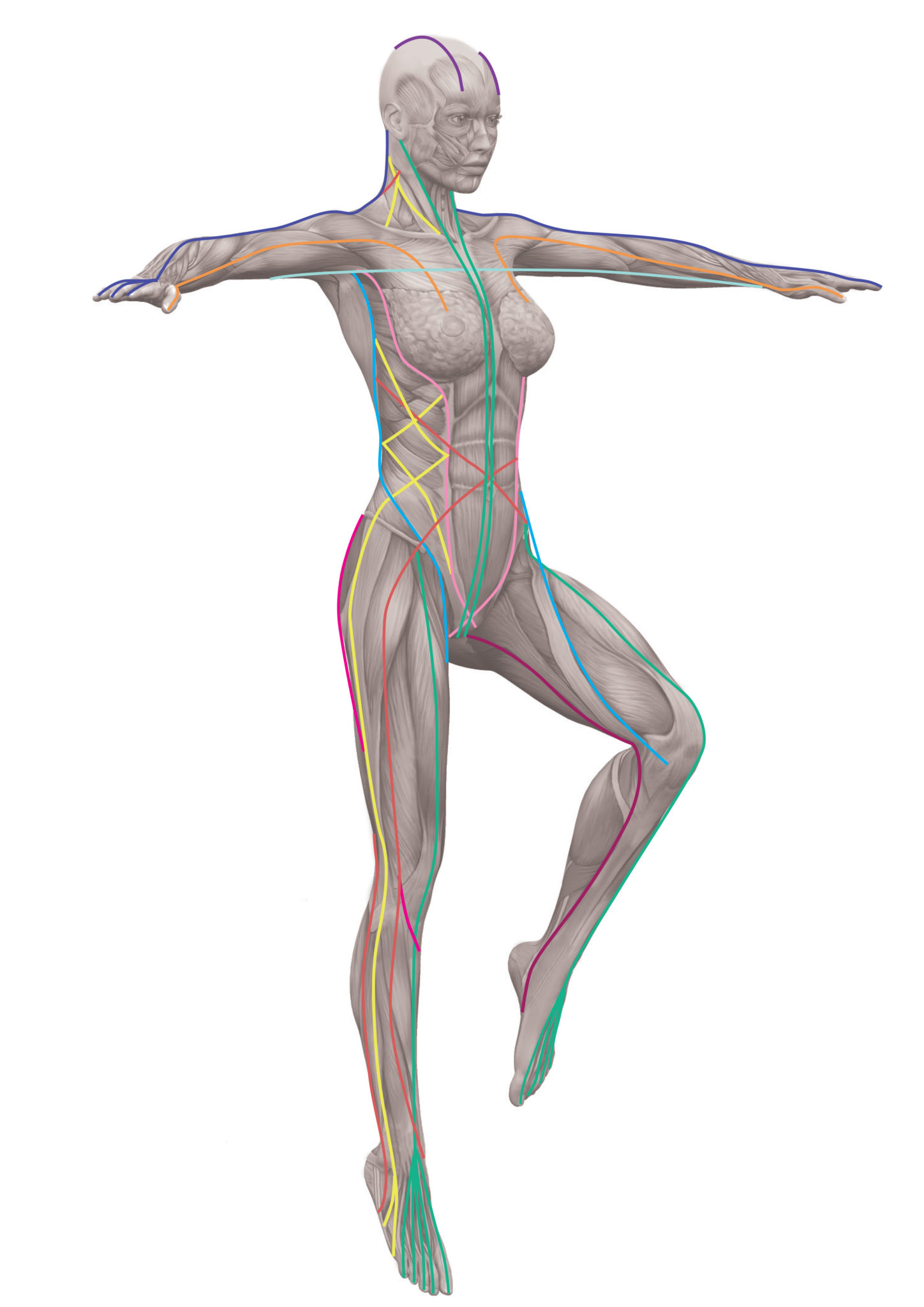
The Anatomy Trains body map shows our myofascial, or muscle-fascia, anatomy. These 12 whole-body myofascial meridians are more evident in dissection. While most anatomy textbooks show the muscles with the filmy fascia removed, this map illustrates fascia’s deeper function—as global lines of tension, proprioception, and interoception that embed the body’s neuromuscular network, acting to keep your skeleton in shape, guide movement, and coordinate postural patterns. Understanding how these lines function can help unlock a deeper understanding of anatomy for your yoga practice. For example, in Urdhva Mukha Śvanāsana (Upward-Facing Dog Pose), you are stretching the entire superficial front lines of fascia—the green lines—from the tops of your feet all the way up to the sides of your neck to the back of your skull. You are also challenging all four arm lines. When you strike the right balance in this pose, you can feel your fascial web helping you realize tension and stability, effort and ease.

Rick Cummings

Feel Your Fascia
The benefits of thinking of the body as a whole organism, instead of in parts, are profound. When we truly comprehend and feel this in our own bodies and see it in our students, we can move and teach with more integrity. That said, as yoga becomes physiotherapized, or made into a practice resembling physical therapy that helps people restore movement and function (a necessary and positive process in general), asana are often reduced to which muscles are stretched—think “Downward Dog is good for your hamstrings.” In reality, while tight hamstrings may be a common experience, your edge in this pose may be deep in your calves or butt, or along the fronts of your shoulders. It depends on your patterns—the way you were grown and what you took on.

Try this exercise to help you feel that your anatomy is more like a plant than a machine, and to help you move away from separating yourself into parts:

Practice: Feel Your Fascia in Downward-Facing Dog
Move into Down Dog. It is easy to feel your back body in this pose as you lift your hips, drop your heels from the middle of your legs, and lengthen your spine. But take time to spread your awareness and attention throughout your entire body in order to find points that lack awareness and are unique to your experience of this pose. Here are some points to ponder:

  1. Track the front of your spine in this pose, as if you were rolling a warm red ball up the front of your spine from your tailbone, up the front of your sacrum and the lumbar and thoracic vertebrae, then behind your guts and heart.
  2. Relax your voice box, then your tongue, then your jaw. Let your head dangle. Let yourself be stupid for a moment, then re-establish the length in your cervical spine without the tension.
  3. Move your breath into the back of your ribs, which can be frozen in your early work in this pose. Can you feel the ribs moving under your shoulder blades? Are you moving your lower ribs behind your kidneys?
  4. Move your weight around your feet while in the pose. This can be subtle but powerful. If your heels are off the ground, move slowly, medially then laterally, on the balls of your feet. Feel how that changes the way you feel the rest of your body. If your heels are down, move slowly all around your feet like a clock: At what position do you lock up? Work there.
  5. Because the deep lateral rotators are often limiting in this pose, can you let the area between your sits bones bloom? Try rotating your knees inward in the pose to help find your limitation, and keep working your hips upward. Remember, you are whole. Someone may describe you as a machine, but that is not the scientific truth­—wholeness is.

Writer Tom Myers is the author of Anatomy Trains and the co-author of Fascial Release for Structural Balance. He has also produced more than 35 DVDs and numerous webinars on visual assessment, Fascial Release Technique, and the applications of fascial research. Myers, an integrative manual therapist with 40 years of experience, is a member of the International Association of Structural Integrators and the Health Advisory Board for Equinox. Learn more at anatomytrains.com.