Licensed acupuncturists and a doctor share how to calm your mind and body so you can finally doze off to dreamland. By Iris Goldsztajn, Shape 09/13/2026
What Is Acupressure, Again?
Acupressure is a type of alternative therapy originating from Traditional Chinese Medicine (TCM), a holistic wellness system that has evolved over thousands of years, according to the National Center for Complementary and Integrative Health. “The main basis of this method lies in the belief that acupoints allow people to access the energy flowing through the body and manipulate it to treat a range of conditions,” says Po-Chang Hsu, M.D., medical content expert at Sleepopolis. “Each acupoint is believed to be responsible for a certain organ or process in the body.”
The Best Pressure Points for Sleep
Going through a routine of the below pressure points for sleep can be a wind-down routine in and of itself. But acupressure will likely work better when combined with other sleep-promoting practices, such as dimming the lights, stretching, journaling, or reading, says Tom Ingegno, D.A.C.M., M.S.O.M., L.Ac..
“It can be performed while winding down shortly before getting into bed or while you are in bed,” he explains. “Some people will find success with doing it in bed, others might need anywhere from 15 minutes to an hour before [doing it] to wind down. You can experiment with this and find what works best for you.”
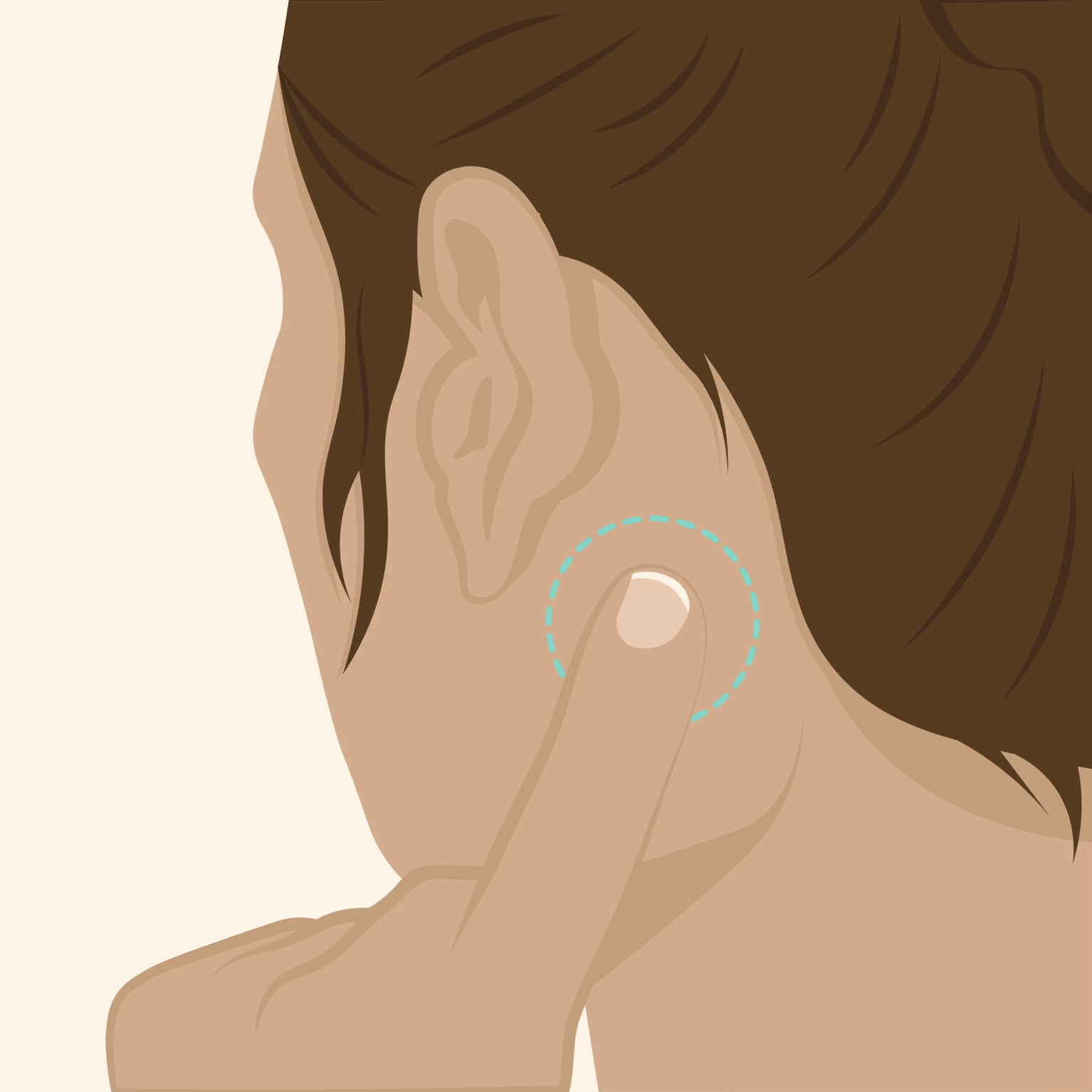
Behind Your Ear (EXT-51 Peaceful Dreams 1/Ān mián 1)
This aptly named point, Peaceful Dreams, is used to induce quality sleep and is thought to be very effective for insomnia, according to practitioners. For example, a study found that Ān mián 1 helps with depression and, in turn, insomnia when used in combination with other points. (ICYDK, depression and sleep issues are closely linked; the mental illness can lead to and be the result of lack of sleep, according to John Hopkins Medicine.)
“The easiest way to find this point is to make an ‘L’ with the index finger and thumb,” says Ingegno. “Place the index finger directly in front of your ear and let the thumb fall right against the base of the skull. The point is roughly there.”
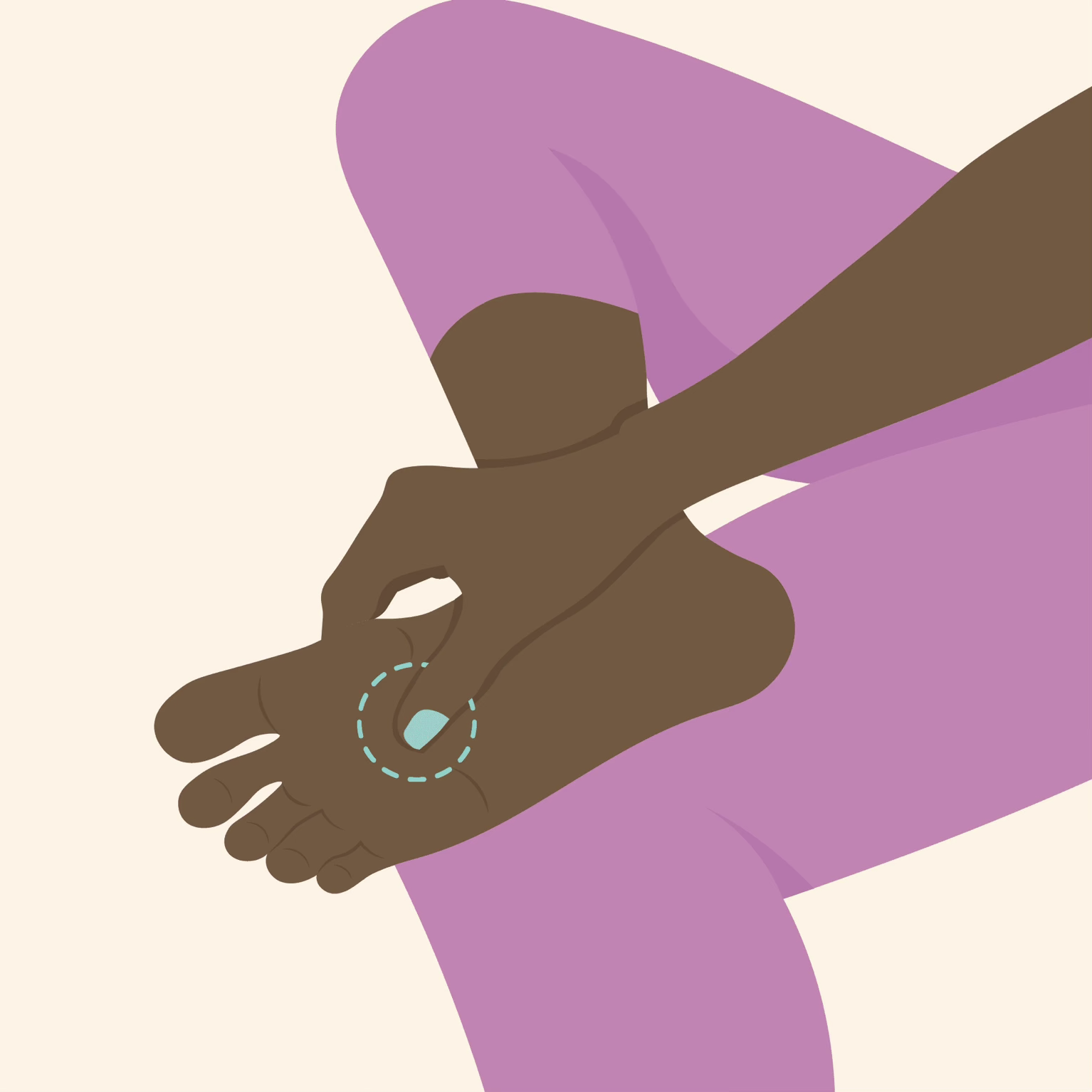
Bottom Of Your Foot (KI-1 Gushing Spring/Yǒng quán)
This pressure point for sleep, Gushing Spring, “ is one of the few points on the bottom of the foot, making it very grounding,” says Singh. It’s located between the ball of your foot and your second or third toes in the same line. The most tender area is the best one to work with.”
Yǒng quán “is the first point on the kidney channel,’ ads Singh. In TCM, this means that it’s connected to the adrenal glands, which control the body’s stress response, explains Dr. Hsu. Meaning that it’s a particularly effective pressure point for sleep — after all, stress can have a large impact on the quality and quantity of your zzz’s. In fact, a study found Yǒng quán — alongside Shén mén (the next acupoint on this list) — to help improve the sleep time and quality of ICU patients.
Before calling it a night and kicking your feet up, keep in mind that Yǒng quán is sometimes used to induce labor, says Ingegno. So, if you’re pregnant, you should skip this pressure point for sleep.
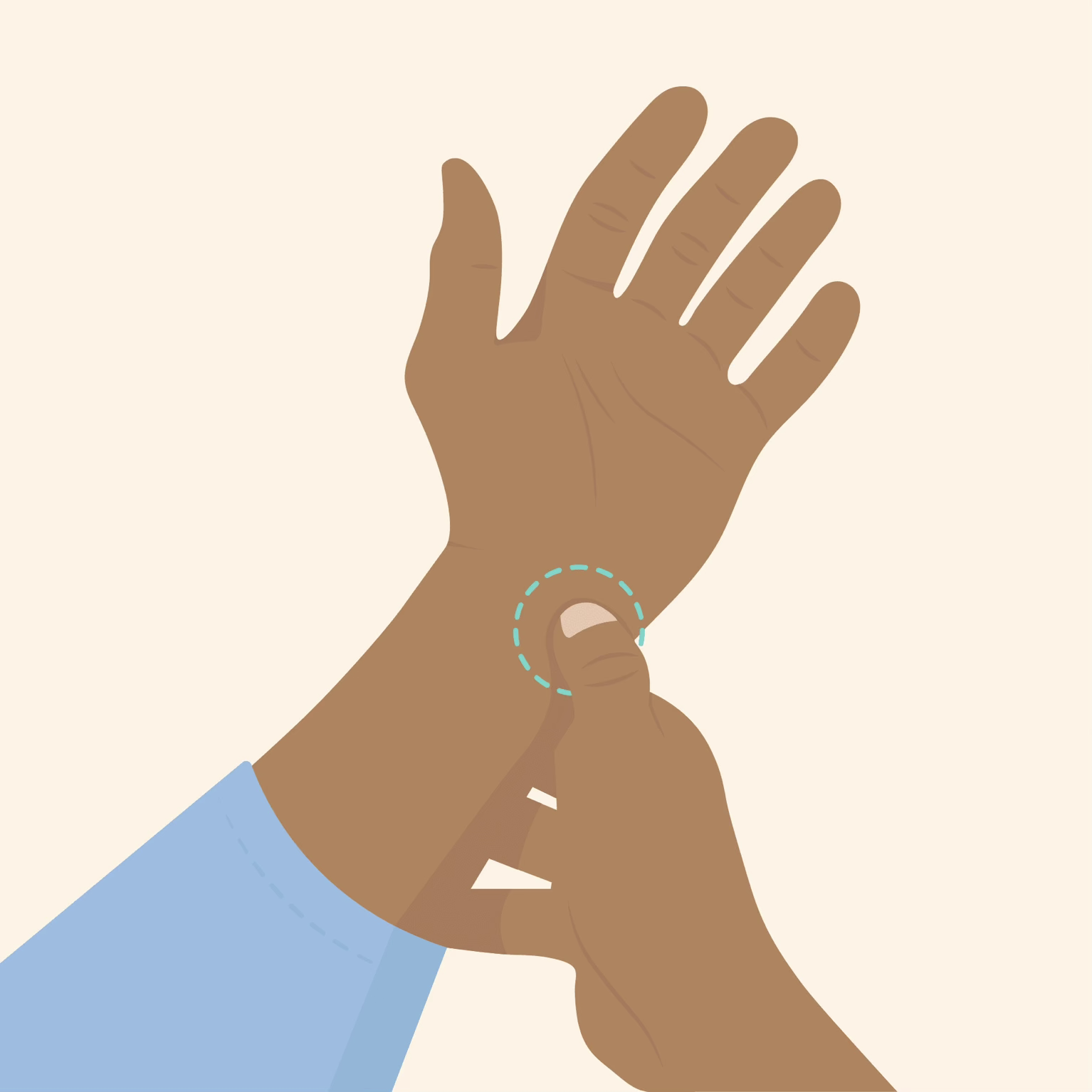
Wrist (HT-7 Spirit Gate/Shén mén)
All three experts cite the Shén mên acupoint as a reason for treating insomnia, which “may even lead to increased sleep quality,” explains Dr. Hsu. “This spot is located on the inner wrist (slightly to the side, close to the spot where people usually measure their pulse),” he says. “To target this acupoint, readers need to bend the hand forward slightly and find the dip between the two tendons.”
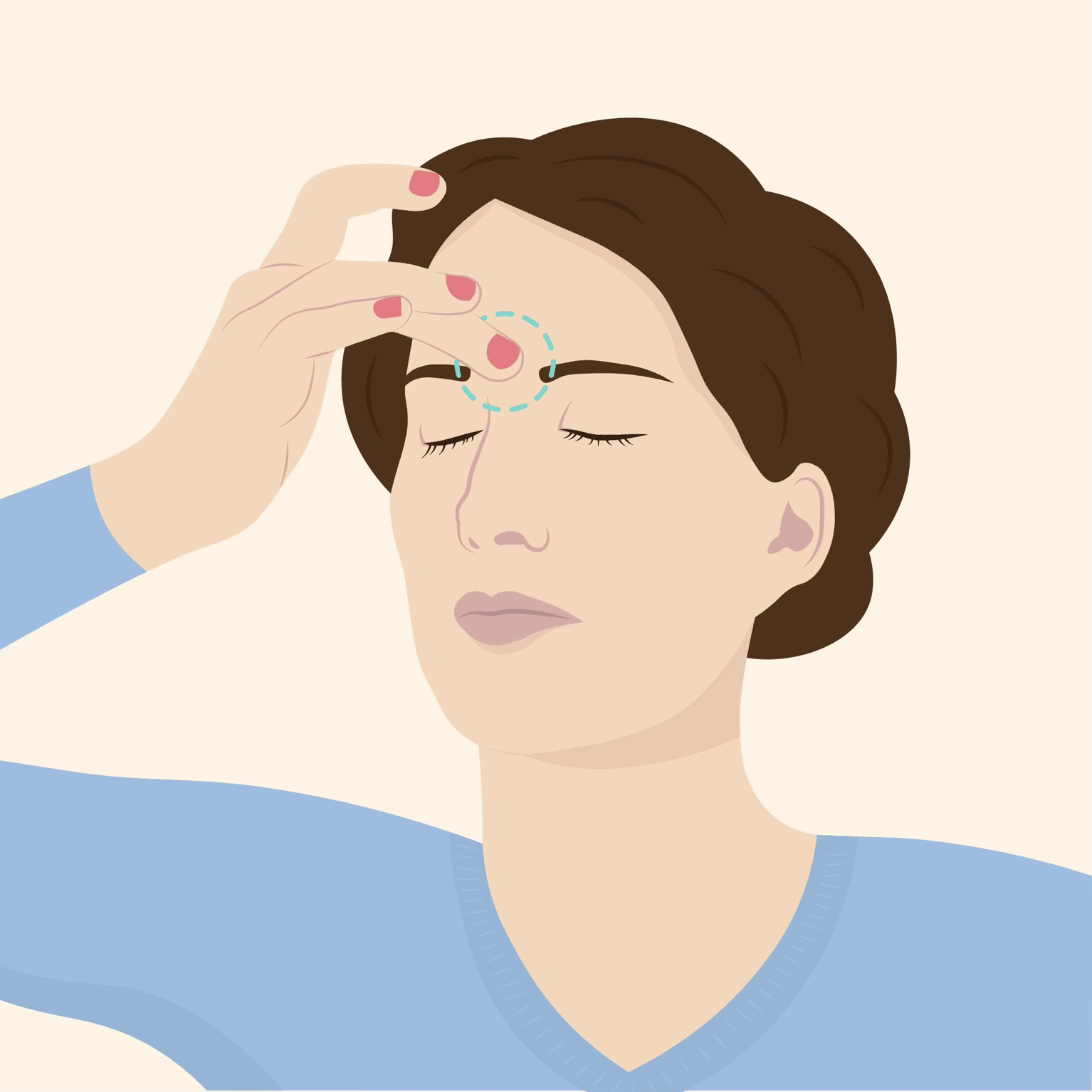
Between Your Eyebrows (EXT-2 Hall of Impression/Yin táng)
Yin táng “is located in the center of both eyebrows in line with the nose and is often referred to as the area of the ‘third eye,’” says Singh.
As for what it does, “this acupoint is believed to help with restlessness, agitation, and insomnia,” explains Dr. Hsu. “Gentle pressure using one finger should be enough, but readers can go a bit firmer.” Why? Because this may feel more comfortable for some folks, especially those that have more tension in that spot. If that’s the case, “more pressure may lead to deeper relaxation,” adds Dr. Hsu.
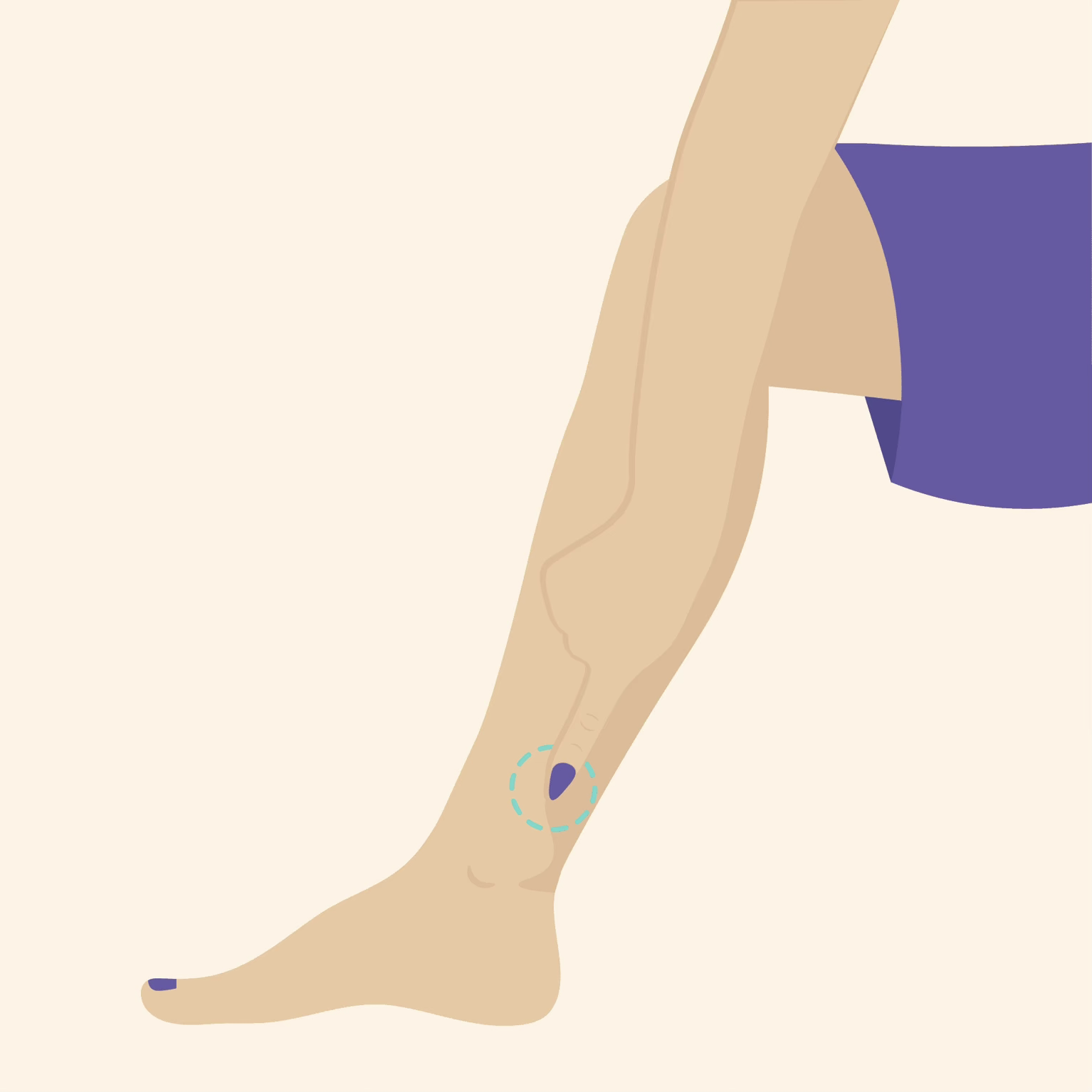
Upper Ankle (SP-6 Three Yin Intersection/Sān yīn jiāo)
“Massaging the Sān yīn jiāo point can help improve sleep quality and reduce fatigue,” according to Dr. Hsu. And research backs this up: Studies suggest that targeting this acupoint can lead to “increased REM sleep, more hours of slumber, and overall improved sleep quality,” he points out.
Not only is your “third eye” a pressure point for sleep, but a study suggests that it might also be effective at easing period cramps (which can wreak havoc on sleep, among other elements of life) that occur before or during menstruation. Added bonus: Targeting Sān yīn jiāo has been shown to decrease pain during labor.
“It’s located inside of the leg, on the highest point of the ankle (near the curved ball-like bone),” explains Dr. Hsu. “This point is relatively easy to reach for side sleepers, which means they can incorporate gentle massage while already lying in bed.” What’s more, targeting this point in the fetal position “can open the space between the vertebrae and relieve pressure from the lower back, [too],” he says. “Less tension encourages further relaxation that’s beneficial for overall sleep quality.”
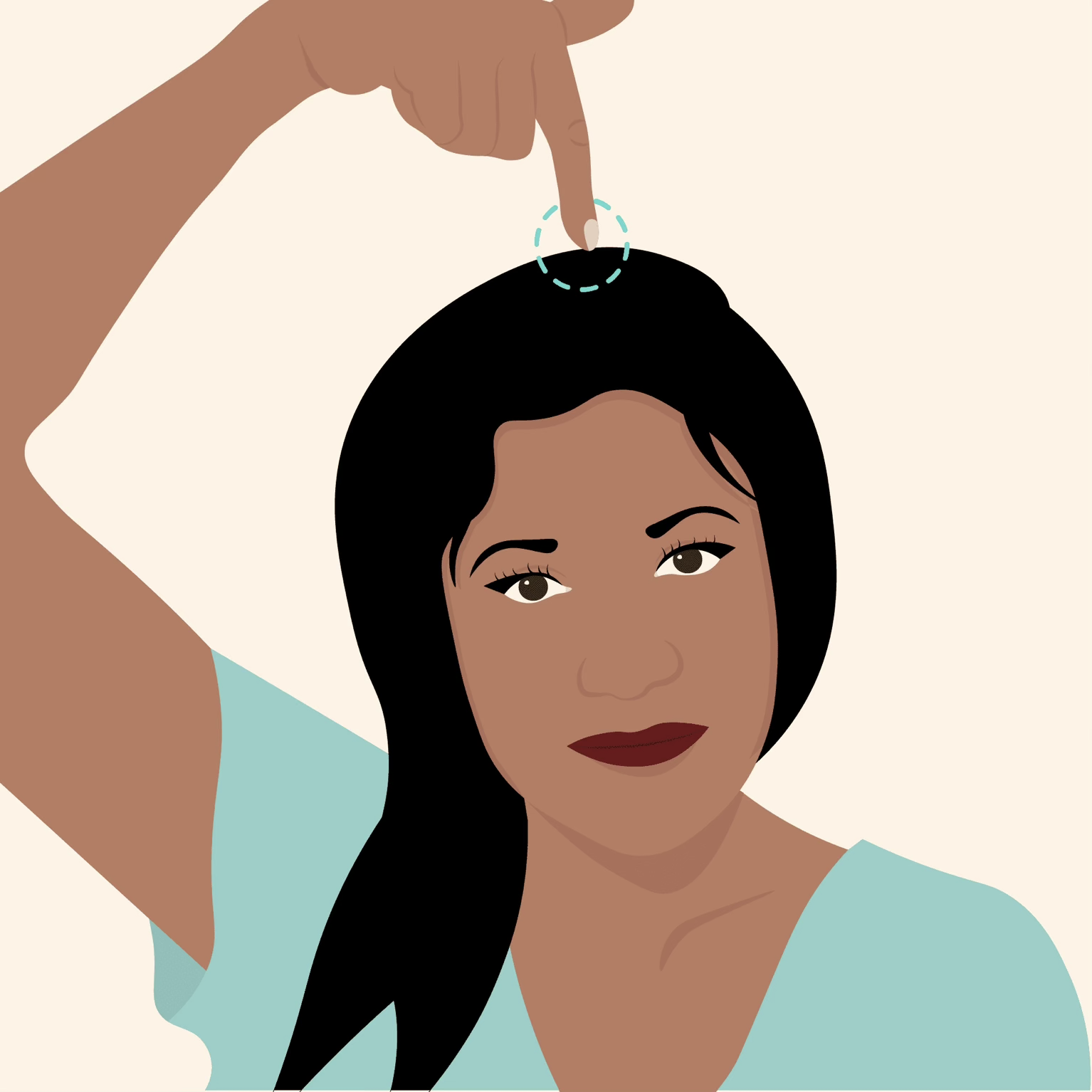
Top of Your Head (GV-20 Hundred Meetings/Bǎi hui)
Located at the top of the head, Bǎi hui “is most easily found by finding the high point of your ear and then sliding up to the top of your head,” says Ingegno. This pressure point for sleep is also known as Hundred Meetings because “it is thought to be where every other acupuncture channel eventually meets,” she explains. And since it’s close to the brain, it’s believed to calm the nervous system, according to TCM and some research. For example, a small study from 2017 found Bǎi hui (in tandem with other acupoints) to improve sleep quality among nursing home residents, who frequently suffered from sleep disturbances.
Benefits of Acupressure for Sleep
Acupressure concerns itself first of all with “the underlying cause” of the issue at hand, which in this case is sleep, says Ingegno. And that’s one of the reasons why the practice can be such an effective sleep aid. Think of it this way: While insomnia in and of itself can be to blame, sleep struggles are oftentimes the result of a myriad of other factors, such as stress, anxiety, pain, and more.
Promotes Relaxation
On a basic level, practicing acupressure on yourself can be a great way to find a mindful moment and create some distance from the day’s stresses, which in turn can promote sleepfulness. “It is a very grounding technique since it is like self-massage, and administering it on yourself combined with essential oils, such as lavender, can really calm a busy mind and body before bedtime,” says Amrit Singh, R.Ac, a licensed acupuncturist.
Acts as a Sleep Aid
In addition to promoting mindfulness and relaxation, there is a body of scientific research behind acupressure and its various benefits. “Studies show that acupressure can be an effective tool when dealing with insomnia,” says Dr. Hsu. “This might be explained because this therapy method affects the nervous system and hormonal mechanisms (including sleep-regulating hormones).” Although, more research is needed.
Eases Pain and Anxiety
“Research also suggests that acupressure can aid pain and anxiety relief,” adds Dr. Hsu. “Individuals with pain experience lower sleep quality. People suffering from anxiety also deal with frequent nighttime disturbances. And since acupressure can potentially target these two issues, it may significantly improve one’s sleep quality.”

